Entry · Ref IS66V_70
How to Combine a Tanzania Safari and Zanzibar Beach Holiday
- Posted
- 2026-11-08
- Last amended
- 2026-11-08
- Account
- @tanzaniasafarizanzibarpulse
Many travelers dream of witnessing the Serengeti's vast plains and then relaxing on Zanzibar's white-sand beaches. The classic question is whether to try both on a single trip. The answer, for most people, is yes: a combined itinerary that includes both a Tanzania safari and Zanzibar works well if you plan carefully. The key is deciding how much time to spend in each place and how to move between them without wasting days.
This article explains the practical options for building a trip that mixes wildlife viewing with island downtime. It covers the main routes, what to expect from a fly-in safari from Zanzibar, and how to balance the two experiences so neither feels rushed.
Why Combine a Safari with Zanzibar?
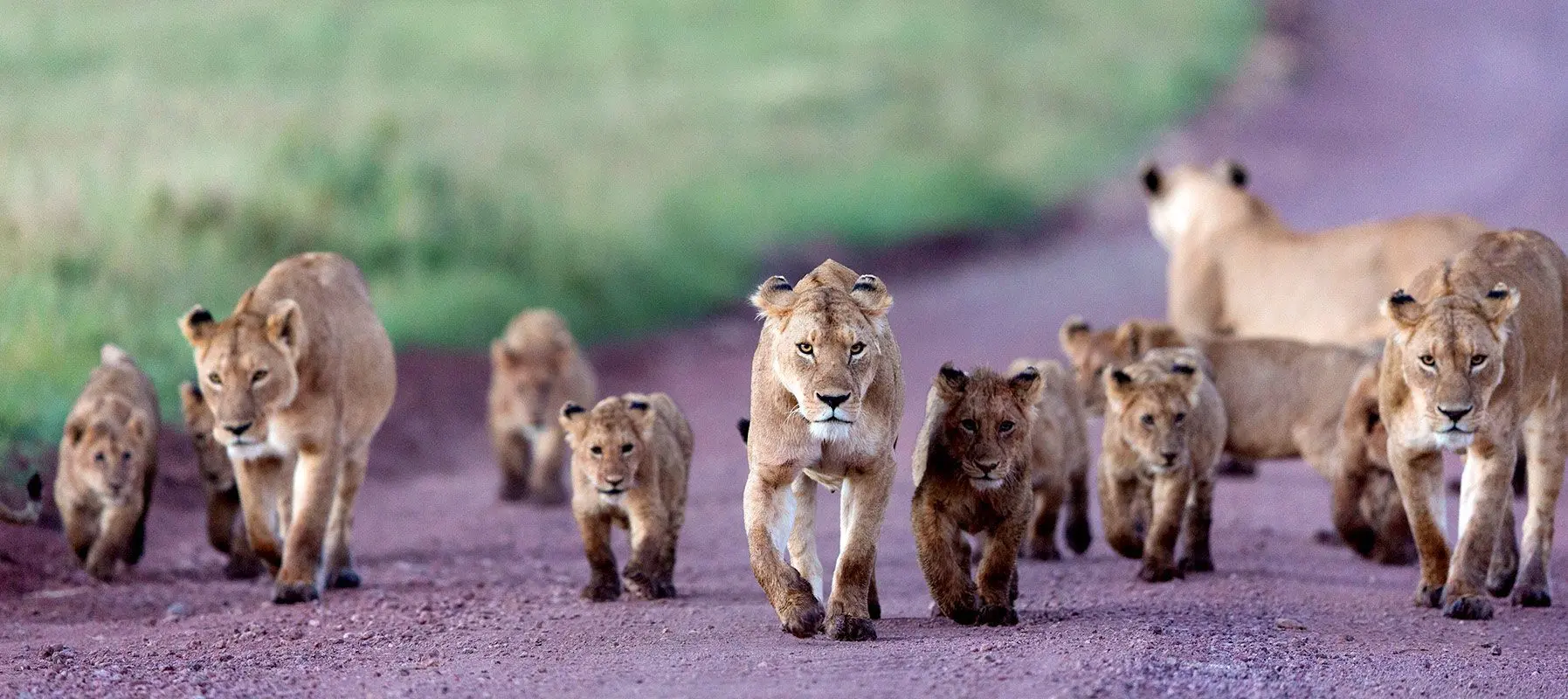
The appeal is straightforward. Northern Tanzania offers some of the best wildlife viewing on earth, while Zanzibar provides a completely different environment with its beaches, coral reefs, and relaxed Swahili culture. A single trip that includes both gives you variety without the hassle of multiple international flights. You fly into Tanzania, do your safari, then transfer to the coast for a few days on the beach before flying home.
For travelers based in Zanzibar for a beach holiday, a fly-in safari is a great option. It means you can stay on the island and take a short flight to the Serengeti for a few days, then return to your beach hotel. This avoids long drives and lets you keep your accommodation base on the coast. Many operators, including Golden Trips Tanzania, specialize in these combined itineraries, tailoring the schedule to your preferences.
The Main Safari Options from Zanzibar
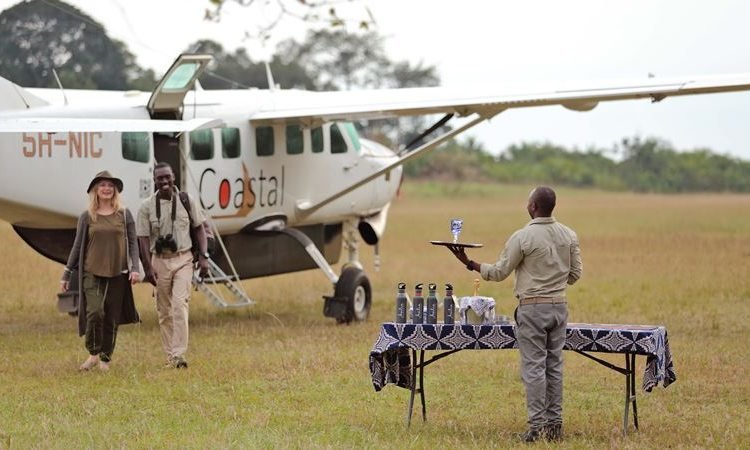
If you are staying on Zanzibar and want to add a safari, the most time-efficient method is a fly-in safari. Small planes operate from Zanzibar's airport directly to airstrips inside the Serengeti or near the Ngorongoro Crater. The flight takes roughly two hours, compared to a full day of driving. This means you can leave Zanzibar in the morning, arrive at your safari camp by lunch, and go on an afternoon game drive that same day.
Fly-in safaris are not the only option. You can also take a scheduled commercial flight from Zanzibar to Arusha or Kilimanjaro, then drive to Tarangire or Lake Manyara. However, the fly-in option saves the most time and gives you direct access to the best wildlife areas. It is worth checking that your chosen operator includes all transfers and park fees in the package, so there are no surprises.
Typical Itinerary Flow
A well-planned combined trip usually follows one of two patterns. The first is to start on Zanzibar for a few days, fly to the Serengeti for a three- or four-day safari, and then fly back to Zanzibar for your final night before departure. The second pattern reverses the order: you begin with the safari, then finish with the beach. Both work, but the first option lets you rest after the long flight before heading into the bush.
Most travelers allocate at least five nights for the safari portion to cover the Serengeti and the Ngorongoro Crater properly. The Ngorongoro Crater is a must-see, with its high density of predators and year-round game. A standard safari might include two nights in the central Serengeti, one night in the crater area, and one night in Tarangire or Manyara. For a shorter trip, a three-night fly-in safari focused on the Serengeti alone is also feasible.
On the beach side, three to four nights on Zanzibar is enough to relax, swim, and visit Stone Town. Any less and the beach part feels rushed; any more and you might lose momentum. A typical combined itinerary of ten to twelve days works well for most people.
What to Expect from a Tanzania Safari and Zanzibar
Combining a Tanzania safari and Zanzibar into one trip requires some practical adjustments. Packing is the first challenge: safari gear is practical and neutral-colored, while beachwear is light and bright. A good approach is to pack a small duffel for safari clothes and a separate bag for the beach, using compression cubes to keep things organized. Most lodges offer laundry services, so you can rewear items.

The climate also differs. The Serengeti can be cool in the morning and hot by midday, while Zanzibar is consistently warm and humid. Bring a light jacket for the dawn game drives and plenty of sunscreen for the coast. Also, note that the best time for safari is during the dry season from June to October, which coincides with Zanzibar's peak season. Shoulder months like May or November can offer good conditions in both places without the crowds.
Logistics and Transfers
Getting between the safari areas and Zanzibar is straightforward if you book through a specialist. For a fly-in safari from Zanzibar, the operator arranges the plane transfer and meets you at the airstrip. If you are driving from Arusha, you will take a commercial flight from Zanzibar to Kilimanjaro or Arusha, then meet your driver. Either way, build in a buffer day for connections so a delay does not ruin your schedule.
Some travelers worry about the cost of fly-in safaris, but they often save money in the long run by cutting out extra accommodation and meals on the road. More importantly, they save time. For most people, the extra cost is worth the convenience, especially if you have only a week or ten days.
Making the Most of Both Experiences
The best trips strike a balance between activity and relaxation. The safari part is intense: early mornings, long drives, and lots of dust. The beach part is the opposite: slow, quiet, and restorative. Do not try to cram too many activities into the Zanzibar portion. A dhow cruise, a visit to Stone Town, and a day snorkeling are plenty. The rest of the time, just lie on the beach and let the safari memories settle.
For the safari, focus on quality over quantity. A shorter safari with a good guide and a private vehicle is far better than a longer one spent in a crowded minibus. Ask your operator about vehicle capacity and guide experience before booking. Also, confirm whether the price includes park fees, meals, and transfers, as some packages add these as extras.
Common Questions
One frequent question is whether it is possible to see the Great Migration from a fly-in safari. The answer depends on timing. The migration is a year-round cycle, and your chances of seeing large herds and river crossings are highest from July to October in the northern Serengeti. If your dates fall outside that window, you will still see plenty of wildlife, but you might miss the dramatic river crossings. A good guide knows where the animals are likely to be and adjusts the itinerary accordingly.
Another question is about health and safety. Both the safari areas and Zanzibar require malaria prophylaxis, so consult your doctor before traveling. Also, bring insect repellent and a mosquito net for the beach accommodation. Most safari lodges and beach resorts in Zanzibar are well-run and safe, but it pays to read recent reviews and check that the property has good security.
Final Thoughts
A combined safari and beach trip to Tanzania offers a rich and varied travel experience. The key is to plan the logistics carefully, choose a reputable operator, and give each part enough time. Whether you start on the coast or in the bush, the combination of wildlife and beach is hard to beat. With a little preparation, you can enjoy the best of both worlds on a single, memorable holiday.